This video showcases the dynamic motion identity system developed for the Google Play rebrand. Zurich-based creative studio focused on a "systemic design" approach, where a set of modular geometric shapes serves as the building blocks for an adaptive visual language. By blending fluid animation with precise brand architecture, we created a cohesive experience that bridges global digital products with diverse content, from games to editorial highlights. This project illustrates the leadership in systemic branding and motion-first digital design.

Google Play

Context

Launched in 2008, Google Play has grown to host over 3.55 million apps. To elevate the store’s content, the Google Play team sought a brand refresh that would visually express their mission to bring joyful experiences to users while staying true to the globally recognized Google heritage.

Insight

The team realized they needed a way to package incredibly varied assets from developer partners while establishing a unique brand voice. They identified the need for a visual language that could be both functional and flexible enough to complement a vast spectrum of content across games, productivity, and entertainment.

Solution

A system based on a simple 3x3 grid was introduced. By positioning a library of simple shapes within this grid to act as containers for partner artwork, they created an extensive library of templates. This allowed the identity to adapt to different content types using a broad palette of textures and gradients.

A system based on a simple 3x3 grid was introduced. By positioning a library of simple shapes within this grid to act as containers for partner artwork, they created an extensive library of templates. This allowed the identity to adapt to different content types using a broad palette of textures and gradients.

A system based on a simple 3x3 grid was introduced. By positioning a library of simple shapes within this grid to act as containers for partner artwork, they created an extensive library of templates. This allowed the identity to adapt to different content types using a broad palette of textures and gradients.

  • Category:

  • Concept

  • Concept

  • Branding

  • UI

An energetic motion graphics piece showing the Google Play logo being built from colorful geometric shapes. The animation demonstrates the studio's skill in creating dynamic brand introductions that bridge the gap between static identity and interactive digital experiences.

Logo

Logo

The new Google Play logo was designed to bring the product closer to the parent brand’s visual identity. Reflecting the soft, rounded language of Material Design 3, the logo uses the core color palette to celebrate its heritage. The 90-degree angle found at the center of the logo serves as the structural foundation for the entire flexible design system.

A technical animation showing a geometric "blob" shape being constructed within a precise mathematical grid. This design process visual emphasizes the studio's rigorous approach to brand geometry and the underlying logic used to create organic yet structured visual identities.
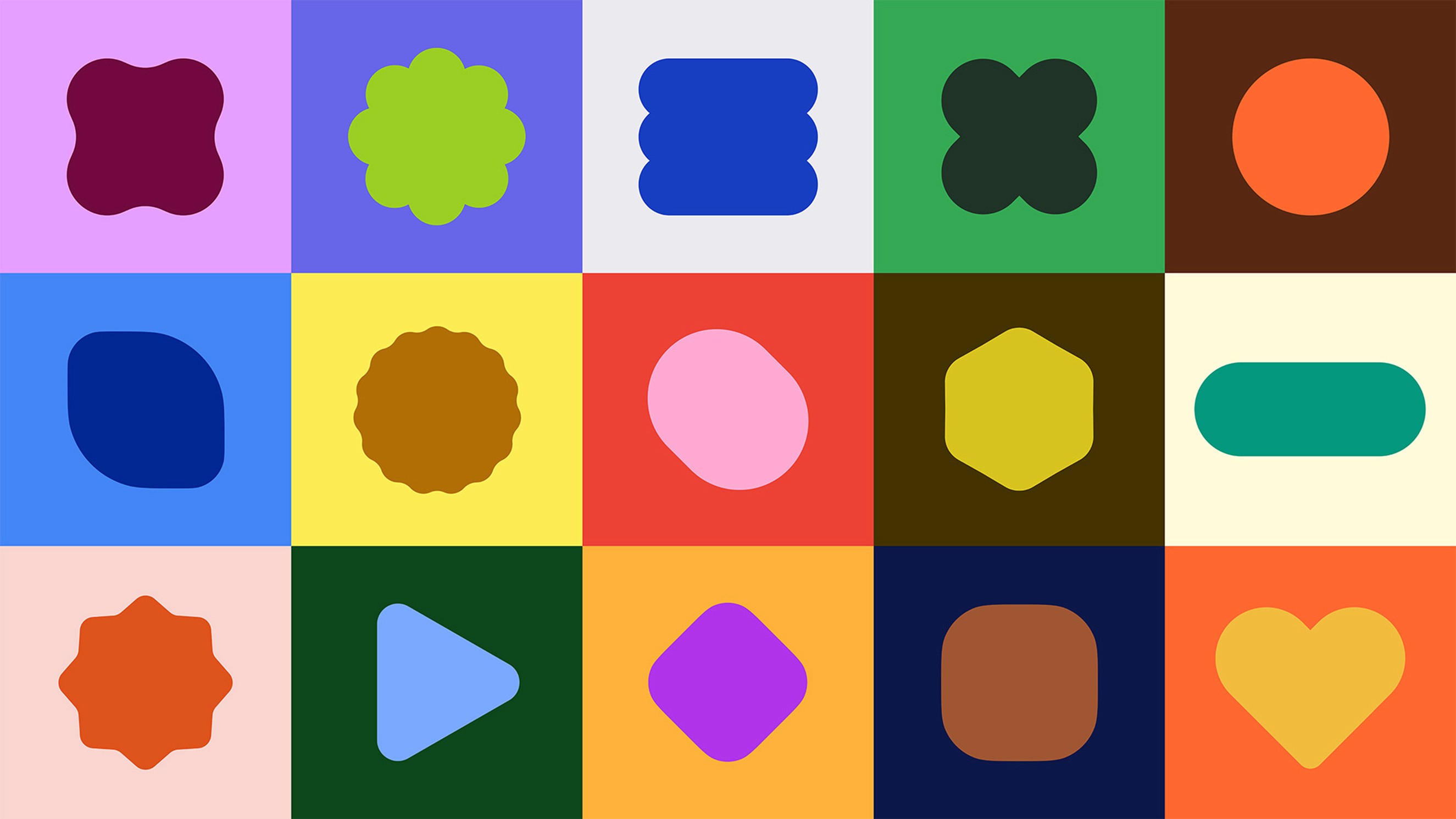
A colorful grid of 15 unique geometric containers in a vibrant, multi-colored palette. This visual highlights a modular design system developed for the Google Play rebrand, illustrating how the studio uses systemic branding to create flexible assets for diverse content types.
A minimalist motion piece where the phrase "Form follows purpose" animates onto a deep purple background. This reflects the studio's strategic design philosophy and expertise in kinetic typography, ensuring that brand messaging is as functional as it is aesthetic.
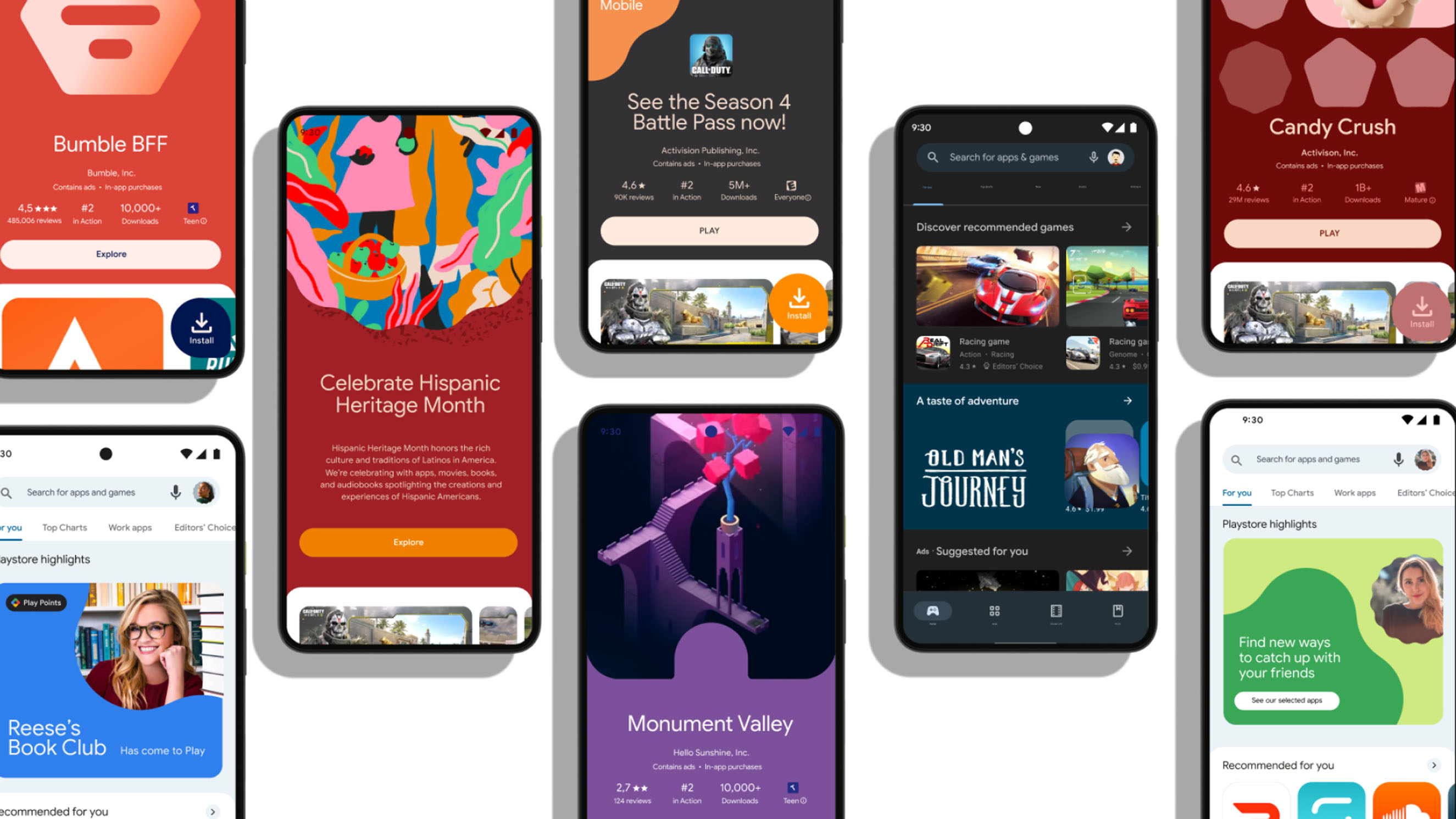
A collage of various smartphone screens displaying localized and themed content for the Google Play store. This UI/UX design showcase illustrates a versatile template system that maintains brand consistency across different apps, games, and editorial features.

The redesigned Flatfox desktop homepage sets a new standard for PropTech in Switzerland. Zurich-based agency focused on creating a high-performance interface that balances clarity and functionality. With a strong emphasis on typographic systems and localized content strategy, we've developed a platform that resonates with both individual tenants and professional landlords. This video demonstrates the expertise in building comprehensive digital products that drive engagement and streamline complex workflows in the real estate sector.

  • Credits:

  • Saskia Wilson

  • Saskia Wilson

  • Johanne Bruun Ramussen

  • Johanne Bruun Ramussen

  • Michal Leonczuk

  • Vela Krachangloke

Wanna work with us?

Wanna work with us?

Wanna work with us?